It often begins so subtly that it’s easy to dismiss.
Maybe you notice a slight itch on the side of one finger while washing your hands. A few hours later, tiny bumps appear beneath the skin. They don’t seem serious at first, but over the next day or two, they become intensely itchy, uncomfortable, and sometimes even painful. Before long, simple tasks like typing, cooking, holding a coffee cup, or buttoning a shirt become frustrating.
Many people assume these tiny blisters are caused by an insect bite, an allergy, or dry skin. While those conditions can produce similar symptoms, another possibility is dyshidrotic eczema, a common but often misunderstood skin condition that affects the hands and feet.
Although the appearance of these bumps can be alarming, understanding what dyshidrotic eczema is—and what it isn’t—can help you recognize when it’s time to seek medical advice and begin appropriate treatment.
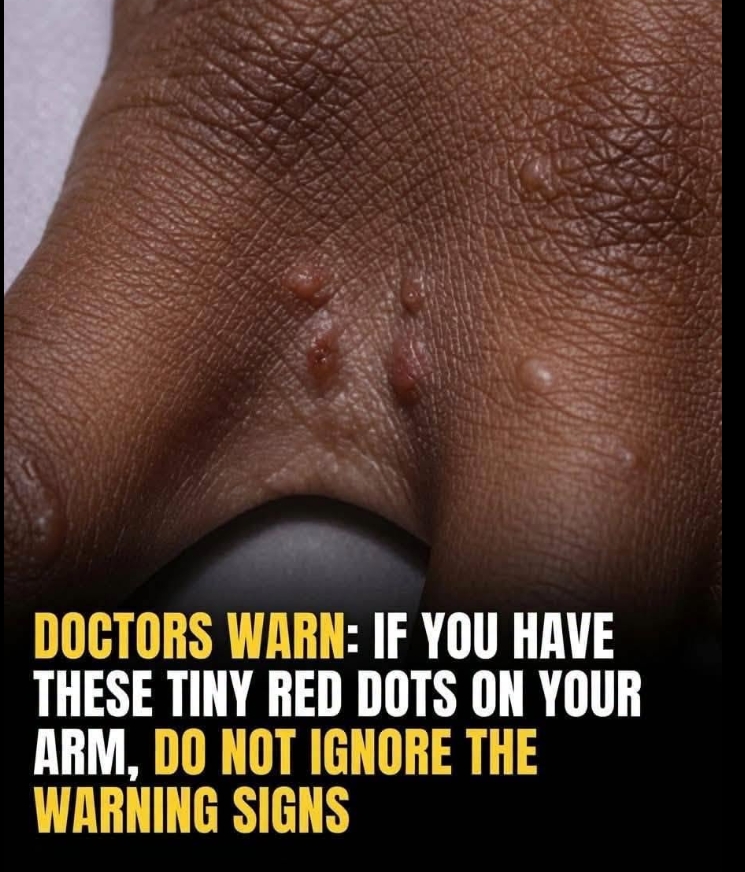
Dyshidrotic eczema, also known as pompholyx or vesicular hand eczema, is a type of eczema characterized by small, deep-seated, fluid-filled blisters that most commonly develop on the palms of the hands, the sides of the fingers, and sometimes the soles of the feet.
Unlike ordinary dry skin, these blisters often appear suddenly and are accompanied by intense itching that may begin before the blisters are even visible.
For many people, the itching is the first sign that something isn’t right.
Within a day or two, tiny clear blisters begin to form beneath the surface of the skin.
Because they’re located deep within the outer layer of the skin, they often look like small pearls or beads trapped underneath.
The blisters may remain isolated or join together to form larger affected areas.
As the condition progresses, the itching may become severe enough to interfere with sleep, work, and everyday activities.
Some people also experience burning sensations, tenderness, or mild pain.
Eventually, the blisters begin to dry out.
The skin may peel, crack, become flaky, and feel extremely dry.
If the cracks become deep, everyday movements can become uncomfortable.
Fortunately, most flare-ups improve with proper care, although many people experience recurring episodes throughout their lives.
What Causes Dyshidrotic Eczema?
The exact cause remains unknown.
Researchers believe several factors may contribute to its development rather than a single identifiable trigger.
Stress is one of the most commonly reported factors.
Many people notice flare-ups during emotionally demanding periods such as work deadlines, family challenges, examinations, or major life changes.
Sweating may also play a role.
Hot weather and excessive moisture on the hands or feet sometimes precede outbreaks.
Seasonal changes are another frequently reported trigger.
Some individuals experience flare-ups during spring or summer when temperatures and humidity begin changing.
Others notice symptoms during colder months when skin becomes dry and irritated.
Exposure to certain metals, particularly nickel or cobalt, has also been associated with some cases.
Individuals with allergies or other forms of eczema may be more likely to develop dyshidrotic eczema as well.
Repeated contact with soaps, detergents, cleaning products, or irritating chemicals may worsen symptoms in susceptible individuals.
Who Is More Likely to Develop It?
Although anyone can experience dyshidrotic eczema, it appears more commonly among adults younger than 40.
People who already have eczema, asthma, or seasonal allergies may have an increased likelihood of developing it.
Healthcare workers, hairstylists, cleaners, mechanics, and others whose hands are frequently exposed to water or irritants may also experience higher rates of hand eczema.
Common Symptoms
Symptoms often develop in stages.
The first sign may simply be itching or tingling.
Soon afterward, tiny blisters appear.
These blisters are usually:
- Small and deep beneath the skin.
- Filled with clear fluid.
- Extremely itchy.
- Located on the palms, fingers, or soles.
- Sometimes grouped together.