⚠️ Don’t Ignore These Small Red Bumps—They Could Be Your Body’s Early Warning Signal.

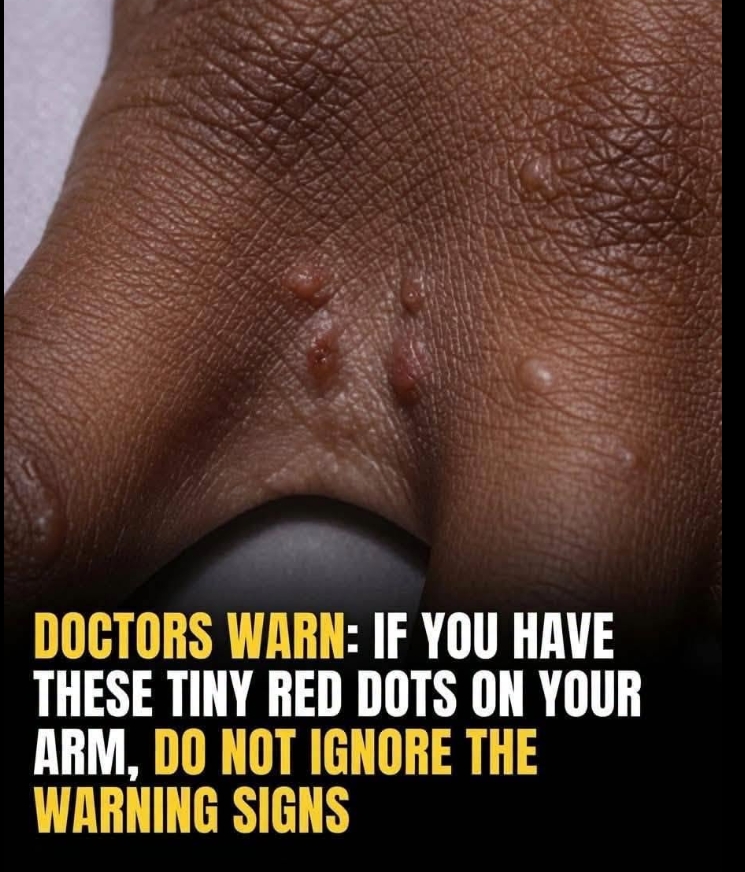
As healing begins, additional symptoms may develop.
These include:
- Dry skin.
- Peeling.
- Cracking.
- Redness.
- Mild swelling.
- Tenderness.
Repeated flare-ups may eventually cause the skin to become thicker or rougher in chronically affected areas.
Is It Contagious?
One of the most common misconceptions is that these blisters can spread from person to person.
They cannot.
Dyshidrotic eczema is not contagious.
You cannot catch it from touching someone, sharing towels, or shaking hands.
This distinction is important because many people worry unnecessarily after seeing the appearance of the rash.
When Should You See a Healthcare Professional?
Although mild cases sometimes improve with home care, medical evaluation is recommended if:
- The itching becomes severe.
- Blisters are widespread.
- The skin becomes painful.
- Cracks begin bleeding.
- Signs of infection develop, such as increasing redness, warmth, swelling, pus, or fever.
- Symptoms continue recurring despite self-care.
A healthcare professional can confirm the diagnosis and recommend appropriate treatment while ruling out other skin conditions that may appear similar.
Conditions That Can Resemble Dyshidrotic Eczema
Several skin disorders may cause similar symptoms, including:
- Contact dermatitis.
- Fungal infections.
- Psoriasis affecting the hands or feet.
- Allergic skin reactions.
- Scabies in certain situations.
Because treatment varies depending on the underlying cause, obtaining an accurate diagnosis is important.
Treatment Options
Treatment depends on symptom severity.
Healthcare professionals commonly recommend:
Prescription topical corticosteroid creams or ointments to reduce inflammation.
Moisturizers applied frequently to restore the skin barrier.
Cold compresses to relieve itching during active flare-ups.
Avoiding known triggers whenever possible.
In more persistent cases, additional treatments may include prescription medications or light therapy under medical supervision.
Treatment plans should always be individualized according to each person’s symptoms and medical history.
Caring for Your Skin at Home
Several habits may help reduce irritation and support healing.
Keep your hands well moisturized using fragrance-free creams or ointments.
Wear protective gloves when handling cleaning products or spending extended periods with hands in water.
Choose mild, fragrance-free soaps whenever possible.
Avoid scratching, even though the itching can be intense.
Keeping fingernails trimmed may reduce skin damage caused by scratching during sleep.
If sweating appears to trigger flare-ups, keeping hands and feet cool and dry may also help.
Can It Be Prevented?
There is currently no guaranteed way to prevent dyshidrotic eczema entirely.
However, identifying personal triggers may reduce the frequency of outbreaks.
Keeping a symptom diary sometimes helps reveal patterns related to stress, weather, certain products, or occupational exposures.
Maintaining healthy skin through regular moisturizing may also strengthen the skin’s protective barrier.
Living With a Chronic Condition
For many people, dyshidrotic eczema comes and goes throughout life.
Some experience only one episode.
Others develop seasonal flare-ups every year.
Although recurring symptoms can be frustrating, effective treatment and good skin care often allow individuals to manage the condition successfully.
The most important step is recognizing that persistent blisters, itching, or peeling skin deserve attention rather than being dismissed as “just dry hands.”