If a person has visible veins, does that mean their blood circulation is poor?
Visible veins can sometimes attract attention and raise concerns about health, particularly regarding blood circulation. Many people notice veins on their hands, arms, legs, or feet and wonder if this is an early sign of a medical problem. In reality, visible veins are usually normal and often harmless, and they don’t necessarily indicate poor circulation. Understanding why veins become more visible can help reduce unnecessary worry and help you recognize situations where a medical consultation might be necessary.
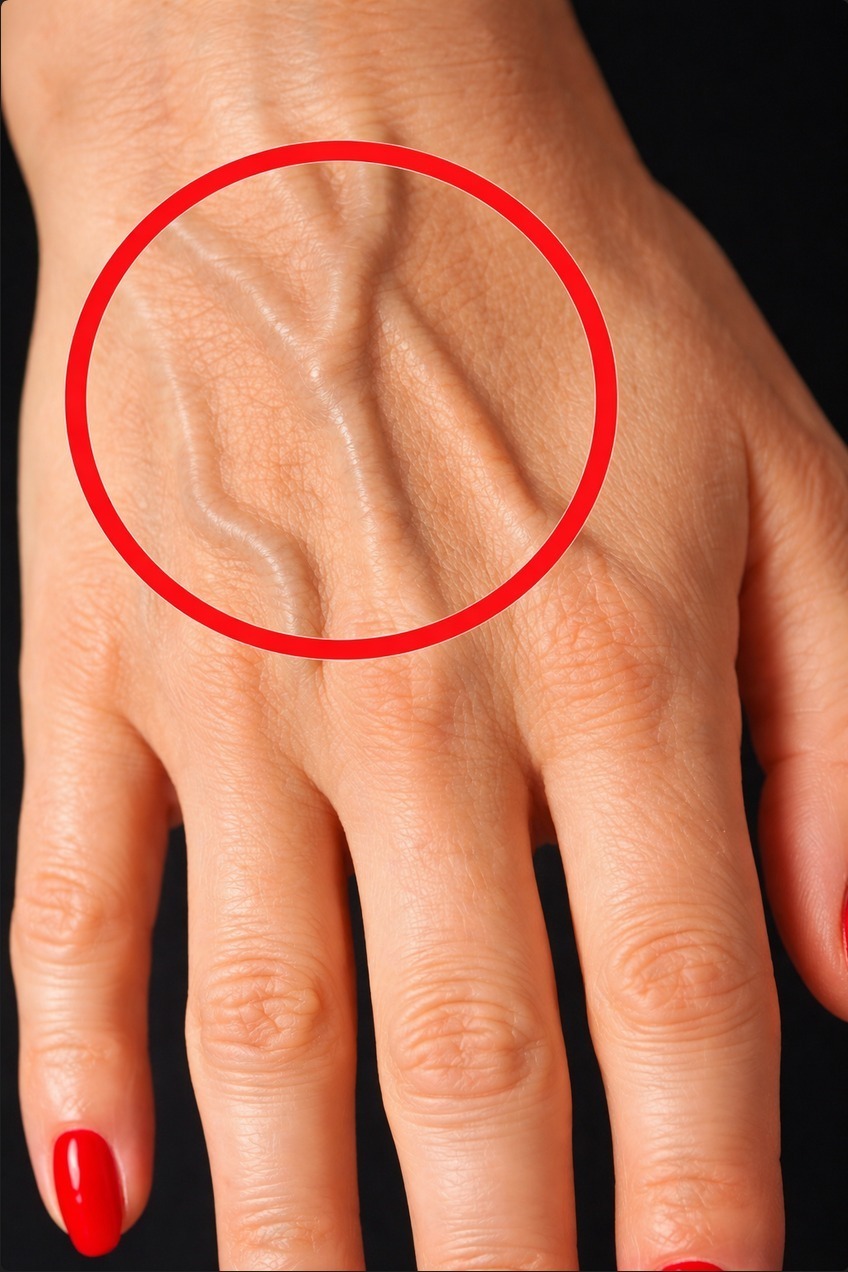
Veins carry oxygenated blood back to the heart after it has been distributed throughout the body. In many people, the veins in the hands, arms, and legs, for example, may become visible under the skin. This is usually normal and depends on several common factors.
Low body fat: When body fat is low, veins are less covered by tissue, making them more visible. This is common in athletes and people in good physical condition.
Genetics: Some people naturally have thinner or more transparent skin, which allows veins to be more visible.
Physical activity: Exercise increases blood flow and causes temporary dilation of the veins, making them more visible during or after exertion.
Aging: With age, the skin thins and loses its elasticity, which can make veins more visible, especially on the hands and legs.
Body temperature: Heat causes blood vessels to dilate, which can make veins more visible under the skin.
In general, visible veins are more of a normal physical characteristic than a sign of a health problem.