9. Improper Storage at Home
Buying good-quality meat is only half the job.
Proper storage is equally important.
General recommendations include:
- Refrigerate meat promptly after arriving home.
- Store raw meat on the lowest shelf to prevent drips onto other foods.
- Freeze meat if you won’t use it within the recommended time.
- Keep your refrigerator at or below 40°F (4°C).
- Use airtight packaging when freezing to reduce freezer burn.
Safe storage helps preserve both quality and freshness.
10. Believing Every Viral Food Myth
Social media is full of dramatic claims about food.
You may have seen posts claiming:
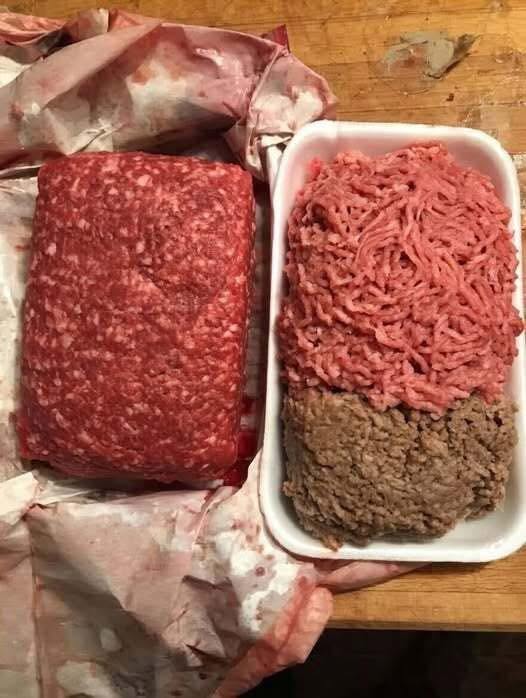
- Bright red meat is fake.
- Brown meat is always spoiled.
- Supermarkets secretly dye meat.
- Frozen meat is unhealthy.
- All packaged meat contains dangerous chemicals.
While some food myths contain small grains of truth, many are exaggerated or simply false.
Whenever you encounter a sensational claim, check whether it comes from reputable food safety organizations or qualified experts before accepting it as fact.