Common Signs That Meat Should Be Discarded
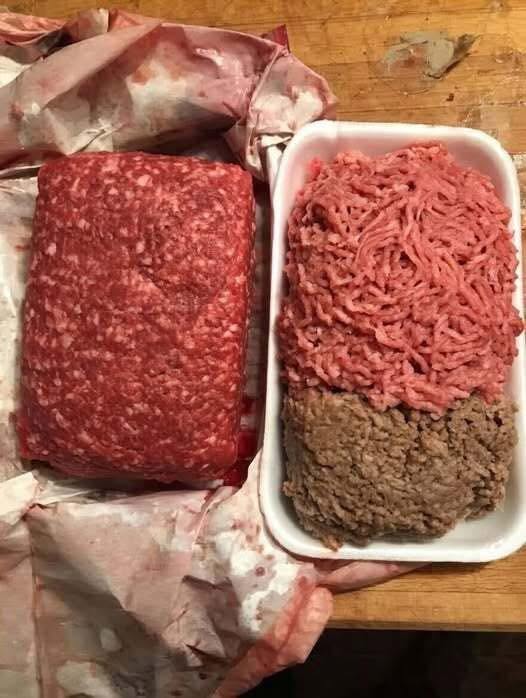
While slight color changes don’t always indicate spoilage, there are situations where you should avoid using meat.
Discard it if you notice:
- A sour or unpleasant odor.
- Slimy or sticky texture.
- Mold growth.
- Damaged packaging with signs of leakage.
- It has been stored improperly or left unrefrigerated for too long.
When in doubt, it’s safest to throw it out.
Why Food Labels Matter
Food labels exist to help consumers make informed decisions.
They provide information about:
- Ingredients
- Nutrition
- Safe handling instructions
- Weight
- Storage recommendations
- Expiration guidance
Taking just a minute to read these details can help you avoid surprises later.
Final Thoughts
Supermarkets offer a wide variety of meat products, and reputable retailers follow food safety regulations designed to protect consumers. The real challenge isn’t avoiding supermarkets—it’s learning how to shop wisely.
By understanding packaging, labels, freshness indicators, safe storage practices, and common marketing tactics, you’ll be better equipped to choose products that fit your budget and your family’s needs.
The next time you’re standing in front of the meat counter, don’t let attractive packaging or common myths make the decision for you. Instead, use the information available on the label, inspect the package carefully, and purchase meat that matches your cooking plans.
Smart grocery shopping isn’t about believing sensational headlines—it’s about making informed choices. A little extra attention today can help you enjoy safer, better-tasting meals while making the most of your grocery budget.